
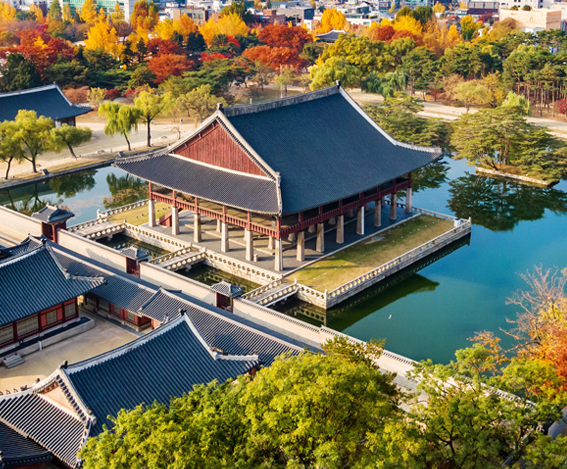


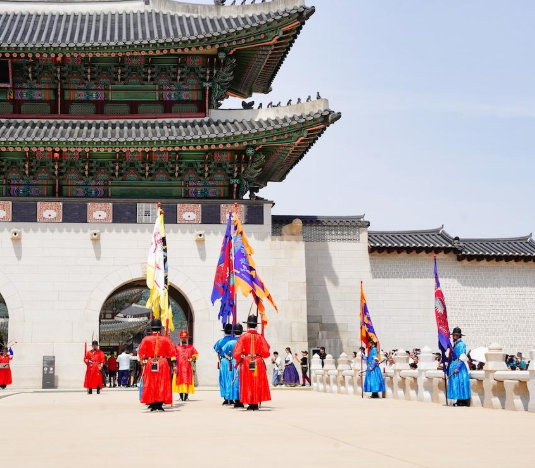
Gyeongbokgung Palace ticket(1 day / Hanbok included)
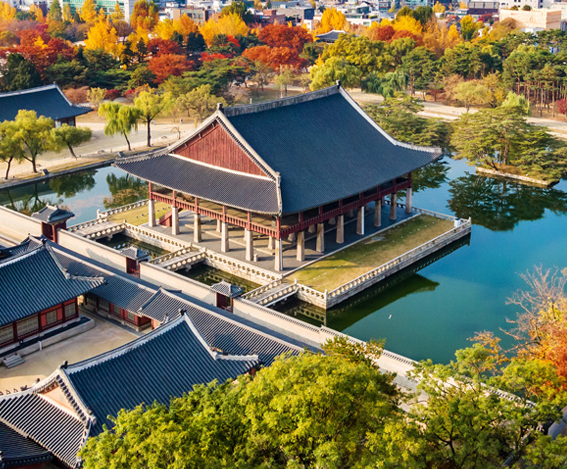
Gyeongbokgung Palace, the main palace of the Joseon Dynasty, was founded in 1395 by King Taejo Yi Seong-gye. It was destroyed by fire during the Japanese invasions of Korea and rebuilt during the reign of King Gojong. It is a representative historical palace in Seoul. Its name, meaning "enjoy great fortune and prosperity," signifies the location of major buildings such as Gwanghwamun Gate, Geunjeongjeon Hall, and Gyeonghoeru Pavilion, serving as the political and cultural center of the Joseon Dynasty. Currently undergoing restoration work to restore its original appearance, it is a symbolic architectural structure of South Korea.
Key Features
Foundation and History: Founded by King Taejo Yi Seong-gye along with the relocation of the capital to Hanyang after the founding of the Joseon Dynasty, Gyeongbok was the setting for significant historical events, including King Sejong's creation of the Hunminjeongeum alphabet. It was destroyed during the Japanese invasions of Korea (1592-1598), but was rebuilt some 270 years later in 1867 during the reign of King Gojong. After suffering damage during the Japanese colonial period, it is currently undergoing restoration.
Meaning of the Name: "Gyeongbok (景福)" means "the new dynasty will enjoy great blessings and prosperity." It is derived from the Book of Songs and embodies Jeong Do-jeon's political ideology.
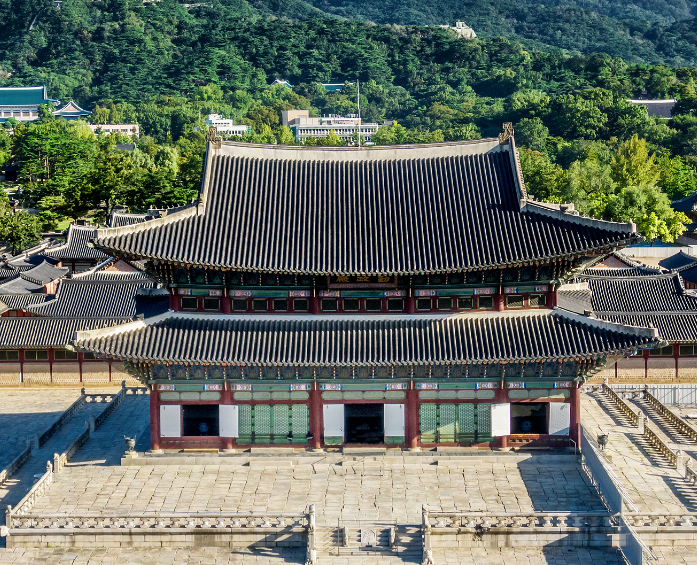
Architecture and Layout: With Baekaksan Mountain as its dominant peak, the Yukjo Street in front of Gwanghwamun, the main gate, formed the heart of Hanyang. While the central area (including Geunjeongjeon Hall) is symmetrical, the overall aesthetic is asymmetrical.
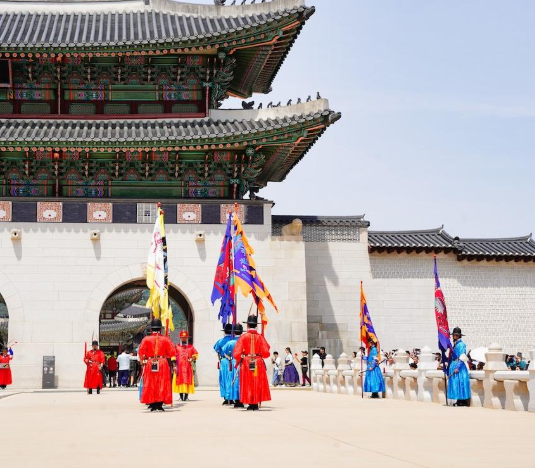
Key Buildings:
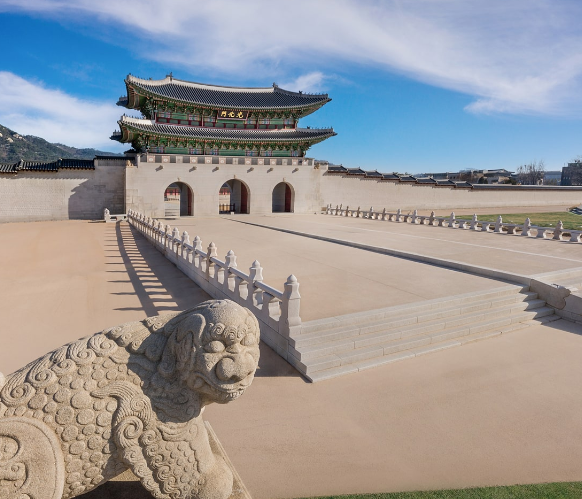
Gwanghwamun: The main gate of Gyeongbokgung Palace.
Geunjeongjeon: The main hall, where official state events such as the king's coronation and receptions of foreign envoys were held.
Gyeonghoeru: A beautiful pavilion used for banquets.
Gangnyeongjeon/Gyotaejeon: The king and queen's bedrooms.
Geoncheonggung: Built during the reign of King Gojong, it was also the site of the tragic Eulmi Incident.
There are no user reviews.
No product inquiries exist